
From the outside, corporate conference photography can look straightforward: show up, photograph the speakers, capture a few networking images and deliver a gallery.
That description misses most of the job.
A multi-day conference is a live production with overlapping schedules, multiple rooms, sponsor commitments, changing priorities and moments that happen once. The photographer has to understand the event well enough to be in the right place before each of those moments happens.
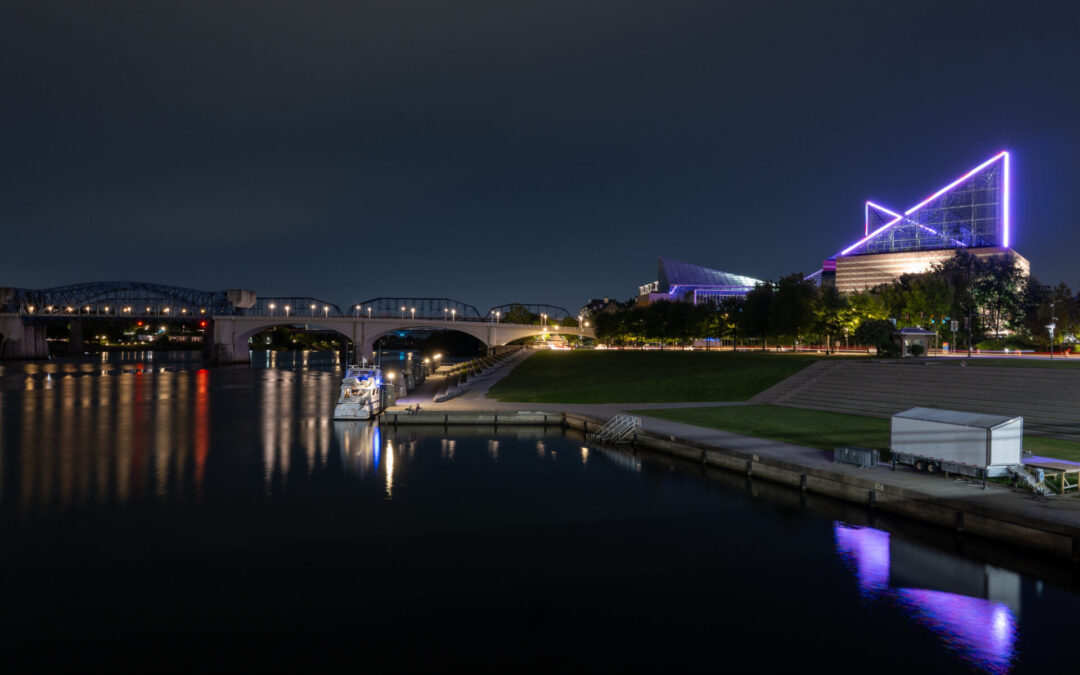
I recently covered a four-day corporate conference in Chattanooga. Our role extended beyond photography. We also developed the conference graphics, including wall murals and many of the visual touchpoints attendees encountered throughout the event. That wider involvement reinforced something I have learned over years of corporate event work: the strongest coverage starts with understanding the entire attendee experience, not simply the photography schedule.
Here is what that looks like in practice.
The work begins before the camera comes out
When I arrive at an unfamiliar venue, I do not immediately pull a camera from the bag. I walk the space.
Large conferences can occupy ballrooms, breakout rooms, trade-show areas and other event spaces—sometimes on different floors or at opposite ends of a property. A schedule may show that one session ends when another begins, but it does not show how long it takes to move between those rooms, where attendees naturally gather or which routes become congested.
Walking the venue turns a schedule into a physical plan. I want to know:
– Where are the general sessions and breakout rooms?
– How long does it take to move between them?
– Where will attendees enter, register and gather?
– Which visual elements need clean documentation before the rooms fill?
– Where are the likely bottlenecks?
– Which moments overlap, and which can only be covered with another photographer?
That venue walk is not downtime. It is one of the first risk-management decisions of the job.
A run of show is necessary, but it is not a coverage strategy
I always request the run of show and schedule a pre-conference call with the client. Those tools establish the framework: what is happening, when it is happening and who is involved.
But a run of show does not assign importance.
Two items may occupy the same amount of time on a schedule while carrying very different value for the client. A keynote entrance, an award presentation, a sponsor activation and a candid exchange between senior leaders may each require a different kind of coverage. Some moments need a safe, complete record. Others need variety, reaction and context. Some need to be delivered quickly for communications teams while the conference is still underway.
The pre-conference conversation is where the schedule becomes a set of priorities. I need to understand:
– Which moments are non-negotiable?
– Which executives, speakers or groups matter most?
– What has been promised to sponsors?
– What content does the marketing team need during the event?
– Where will simultaneous programming create a staffing problem?
– What would the client consider a serious miss?
If those questions are not answered before the event, the photographer is forced to make business decisions based on guesswork.
The first obligation is safety and coverage
Creative photographs matter. But at a live event, creativity comes after coverage.
The first responsibility is to secure the essential image: the speaker at the lectern, the award being presented, the sponsor presence, the required group, the executive interaction. Once that safe coverage exists, I can look for stronger compositions, audience reactions, layers, gestures and moments that carry more emotion.
That order matters because live events do not offer a reset. A product shoot can be adjusted. A headshot can be repeated. A handshake onstage, an audience reaction or the split second when an award recipient realizes their name has been called is gone almost immediately.
Experienced conference coverage is built around anticipation. You watch the program, read the room and recognize the setup before the moment arrives. Often, I know something is about to happen because the rhythm of the event tells me: a speaker changes tone, a presenter pauses, someone begins moving toward the stage or the room collectively shifts its attention.
The image is made before the shutter is pressed. The shutter simply records whether you read the situation correctly.
The photographs must explain the event, not just prove it happened
A useful conference gallery needs more than photographs of people standing at microphones.
The client needs a visual account of the full experience:
– Establishing images that show scale, place and branding
– Speakers and educational content
– Audience attention and reaction
– Networking and relationship-building
– Breakout sessions and smaller discussions
– Sponsor activations and trade-show participation
– Awards, recognition and milestone moments
– Environmental details that establish the character of the event
Reaction photographs are especially important. A speaker photograph shows who was onstage. A photograph of attendees smiling, listening or responding shows whether the program connected. When those two sides are edited together, the gallery begins to communicate value rather than merely attendance.
This is also why every conference should not be forced into the same shot list. Some organizations need a headshot station. Some need heavy sponsor documentation. Some need immediate images for social media. Others prioritize education, executive visibility or community. The coverage plan has to match the event’s business model.
Multi-day coverage is an endurance and attention problem
Conference days often begin around 7 a.m. and continue into evening functions. Over four days, the physical work adds up: hours on your feet, constant movement, equipment management, downloading, backing up, editing and preparing for the next day.
The harder challenge is maintaining attention.
By the end of day two, the event begins to feel familiar. You know the rooms, understand the flow and can move more efficiently. That familiarity is useful, but it can also become a trap. Days can start to look alike, and repeated formats can tempt a photographer into repeated pictures.
The job is to use familiarity without becoming passive. Once I understand the pattern, I can anticipate transitions more effectively, notice exceptions and find new visual approaches. Efficiency should create more attention for the moments—not less.
Day three can change the assignment completely
At this conference, the third day included a trade show. That changed both the visual priorities and the staffing requirements.
Trade-show coverage is not simply general networking coverage in a room with booths. Sponsors may have invested substantially in being present. The client may need evidence that those partners were visible, active and meaningfully included in the conference experience.
At the same time, other programming may continue elsewhere. One photographer cannot physically cover two separate experiences occurring at once. That is not a question of working harder. It is a limitation of time and geography.
When two photographers cover parallel assignments, the client gains more than a higher image count. They reduce the chance that a required moment disappears because the sole photographer was in another room. Staffing is a coverage decision, not an indulgence.
Day four requires discipline, not coasting
By the fourth day, everyone can feel the event winding down. The finish line is visible. Schedules may be lighter and the pressure may ease, but the final day still matters.
Attendees are often more relaxed. Relationships developed over the week are visible. Closing sessions create their own emotional tone. The photographer’s responsibility is to keep working the plan until the event is actually over—not until it feels almost over.
The final images influence how the story ends. A strong gallery should not simply stop. It should resolve.
The real deliverable is confidence
Clients hire a conference photographer for photographs, but what they are really buying is confidence.
They need to know that someone is tracking the schedule, protecting the required moments, noticing what is changing and understanding how the images will support marketing, communications, sponsorship and future events.
That confidence comes from preparation, anticipation and judgment. It comes from knowing when one photographer is enough and when parallel programming demands a team. It comes from securing the essential image before pursuing the inventive one. And it comes from treating the conference as a connected experience rather than a series of unrelated photo opportunities.
Four days of conference photography is a marathon. The goal is not simply to keep moving. It is to remain useful, observant and reliable from the first venue walk to the final frame.
Planning a multi-day corporate conference? David Martin Creative can help you build a coverage plan around your schedule, sponsor obligations, executive priorities and content-delivery needs before the event begins.